WAF日志自动分析加封禁:流程自动化在安全运营中心的RPA落地实践
安全运营中心的"最后一公里"难题凌晨两点,安全运营中心的值班人员盯着屏幕上不断跳动的告警信息,WAF防火墙拦截了上千条恶意请求,但人工逐一分析、判断、封禁IP的操作让团队疲于奔命。这不是某个小团队的困境,而是当前大多数安全运营中心(SOC)面临的共同挑战。WAF(Web应用防火墙)作为Web安全的第一道防线,每天产生海量日志数据。传统的人工分析模式不仅效率低下,还容易因疲劳导致误判或漏判。流程自动化软件的引入,让日志分析从"被动响应"走向"主动防御",成为安全团队亟需解决的自动化工具选型方向。本文将分享一套基于流程自动化技术实现的WAF日志智能分析与自动封禁方案,从需求拆解到代码落地,完整呈现一个可复用的安全运营RPA工具实践。方案设计时充分考虑了中小企业和个人开发者的实际场景——免费版使用无使用时长限制,让安全能力的门槛不再被商业授权束缚。一、为什么安全运营中心需要自动化日志分析?1.1 人工分析的三大痛点在深入技术方案之前,先聊聊我们踩过的坑。痛点一:数据量爆炸,人力无法覆盖一个中等规模的Web应用,WAF日日志量轻松达到百万级。假设每条日志需要5秒人工审阅,一个8人团队不吃不喝也需要17小时才能处理完一天的日志。现实是,大多数团队只能抽样检查,大量潜在威胁被遗漏。痛点二:响应延迟,攻击窗口扩大从发现异常到完成封禁,传统流程涉及告警触发、人工研判、工单审批、运维执行等多个环节,平均耗时30分钟以上。对于CC攻击、SQL注入等高频攻击,这个延迟足以让攻击者完成数据窃取。痛点三:规则僵化,误报漏报并存静态规则难以应对变种攻击。比如一个正常的API调用被误判为攻击,封禁后导致业务中断;而精心构造的绕过攻击却可能逃过检测。1.2 自动化带来的改变引入流程自动化方案后,上述问题可以得到显著改善: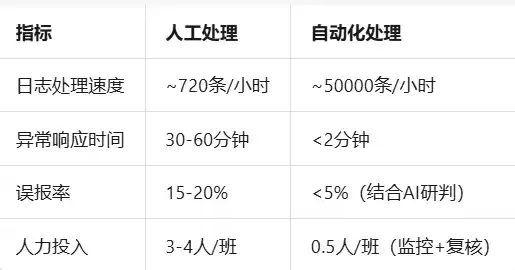 关键洞察:自动化软件不是取代安全分析师,而是将分析师从重复性劳动中解放出来,专注于更复杂的威胁狩猎和策略优化。对于个人开发者和个人工作室而言,这意味着一个人也能撑起基础的安全运营能力;对于中小企业,则意味着无需组建专职安全团队即可获得7×24小时的日志监控。二、方案架构设计:从日志采集到自动封禁2.1 整体架构图
┌─────────────────┐ ┌─────────────────┐ ┌─────────────────┐│ WAF日志源 │────▶│ 日志采集模块 │────▶│ 日志解析引擎 ││ (阿里云/自研等) │ │ (定时拉取/API) │ │ (字段提取/结构化) │└─────────────────┘ └─────────────────┘ └────────┬────────┘ │ ┌────────────────────────┘ ▼ ┌─────────────────┐ │ 威胁分析引擎 │ │ (规则匹配+AI研判) │ └────────┬────────┘ │ ┌──────────────┼──────────────┐ ▼ ▼ ▼ ┌─────────┐ ┌─────────┐ ┌─────────┐ │ 正常日志 │ │ 可疑日志 │ │ 恶意日志 │ │ 归档 │ │ 人工复核 │ │ 自动封禁 │ └─────────┘ └─────────┘ └─────────┘ │ ▼ ┌─────────────────┐ │ 封禁执行模块 │ │ (WAF规则/防火墙) │ └─────────────────┘2.2 核心模块拆解整个方案基于RPA工具实现,分为五个核心模块,每个模块都可以独立运行,也可以串联成完整工作流:模块一:日志采集支持多种数据源接入,包括阿里云WAF、自研WAF、Nginx日志等。通过API定时拉取或日志文件监听两种方式获取原始数据。对于使用阿里云WAF的用户,可以直接调用阿里云日志服务(SLS)的API拉取日志,无需额外部署采集Agent。模块二:日志解析将非结构化的原始日志转换为结构化数据,提取关键字段:时间戳、源IP、请求URL、User-Agent、响应状态码、攻击类型标签等。解析过程中,元素获取支持本地智能生成,可根据生成结果选择合适稳定的元素路径,让日志字段提取更加简单稳定。模块三:威胁分析这是整个方案的核心。采用"规则引擎 + AI智能研判"双层检测机制:规则层:基于已知攻击特征(如SQL注入关键字、XSS payload模式、高频请求阈值)进行快速匹配。AI智能优化元素路径,无需学习晦涩难懂的语法,通过自然语言描述即可生成对应的匹配规则AI层:对规则层标记的"灰色地带"日志进行二次研判,利用大模型的语义理解能力识别变种攻击和0day特征。当web元素失效时,AI自动修复元素定位,实现元素自愈,保障分析流程不中断模块四:决策引擎根据威胁等级(低/中/高/紧急)和执行策略,决定是自动封禁、人工复核还是仅记录告警。模块五:封禁执行调用WAF或防火墙的API接口,将恶意IP加入黑名单,同时记录封禁日志用于后续审计和申诉处理。三、核心代码实现:从零搭建自动化流水线3.1 日志采集与解析模块WAF日志通常以JSON格式存储,我们先实现一个通用的日志解析器:import jsonimport refrom datetime import datetime, timedeltafrom dataclasses import dataclassfrom typing import List, Optional, Dictfrom collections import defaultdictimport requestsimport timeimport hashlib
@dataclassclass WAFLogEntry: """WAF日志结构化数据类""" timestamp: datetime source_ip: str request_url: str http_method: str user_agent: str status_code: int attack_type: Optional[str] = None severity: str = "low" request_count: int = 1 country: str = ""
def to_dict(self) -> Dict:  return {
"timestamp": self.timestamp.isoformat(),
"source_ip": self.source_ip,
"request_url": self.request_url,
"http_method": self.http_method,
"user_agent": self.user_agent,
"status_code": self.status_code,
"attack_type": self.attack_type,
"severity": self.severity,
"request_count": self.request_count,
"country": self.country  }
class WAFLogParser: """WAF日志解析器,支持多种日志格式"""
SQLI_PATTERNS = [  r"(%27)|(')|(--)|(%23)|(#)",  r"((%3D)|(=))[^n]*((%27)|(')|(--)|(%3B)|(;))",  r"w*((%27)|('))((%6F)|o|(%4F))((%72)|r|(%52))",  r"((%27)|('))union",  r"exec(s|+)+(s|x)pw+",  r"UNIONs+SELECT",  r"INSERTs+INTO",  r"DELETEs+FROM",  r"DROPs+TABLE"
]

XSS_PATTERNS = [  r"((%3C)|<)[^n]+((%3E)|>)",  r"javascript:",  r"onw+s*=",  r"<script[^>]*>[sS]*?</script>",  r"alerts*(",  r"document.cookie",  r"document.location"
]

PATH_TRAVERSAL_PATTERNS = [  r"../",  r"..",  r"..%2f",  r"..%5c",  r"%2e%2e%2f",  r"%252e%252e%252f"
]

def __init__(self):  self.sqli_regex = [re.compile(p, re.IGNORECASE) for p in self.SQLI_PATTERNS]  self.xss_regex = [re.compile(p, re.IGNORECASE) for p in self.XSS_PATTERNS]  self.path_regex = [re.compile(p, re.IGNORECASE) for p in self.PATH_TRAVERSAL_PATTERNS]

def parse_aliyun_waf_log(self, raw_log: Dict) -> WAFLogEntry:  try:
timestamp_str = raw_log.get("time", raw_log.get("@timestamp", ""))
if timestamp_str:  timestamp = datetime.strptime(timestamp_str, "%Y-%m-%dT%H:%M:%S%z")
else:  timestamp = datetime.now()

entry = WAFLogEntry(  timestamp=timestamp,  source_ip=raw_log.get("real_client_ip", raw_log.get("remote_ip", "0.0.0.0")),  request_url=raw_log.get("request_uri", raw_log.get("url", "/")),  http_method=raw_log.get("http_method", "GET"),  user_agent=raw_log.get("user_agent", ""),  status_code=int(raw_log.get("status", 200)),  country=raw_log.get("country", "")
)

entry = self._detect_attack_type(entry)
return entry
  except Exception as e:
print(f"日志解析异常: {e}, 原始数据: {raw_log}")
return None

def parse_nginx_log(self, log_line: str) -> WAFLogEntry:  pattern = r'(S+)s-s(S+)s[([^]]+)]s"(S+)s(S+)s([^"]+)"s(d+)s(d+)s"([^"]*)"s"([^"]*)"'  match = re.match(pattern, log_line)
  if not match:
return None
  ip, _, time_str, method, url, protocol, status, _, referer, ua = match.groups()
  timestamp = datetime.strptime(time_str, "%d/%b/%Y:%H:%M:%S %z")
  entry = WAFLogEntry(
timestamp=timestamp,
source_ip=ip,
request_url=url,
http_method=method,
user_agent=ua,
status_code=int(status)  )
  entry = self._detect_attack_type(entry)  return entry

def _detect_attack_type(self, entry: WAFLogEntry) -> WAFLogEntry:  url = entry.request_url.lower()  ua = entry.user_agent.lower()
  for regex in self.sqli_regex:
if regex.search(url) or regex.search(ua):  entry.attack_type = "SQL_INJECTION"  entry.severity = "high"  return entry
  for regex in self.xss_regex:
if regex.search(url) or regex.search(ua):  entry.attack_type = "XSS"  entry.severity = "high"  return entry
  for regex in self.path_regex:
if regex.search(url):  entry.attack_type = "PATH_TRAVERSAL"  entry.severity = "medium"  return entry
  if entry.status_code in [403, 406, 429]:
entry.severity = "medium"
  return entry
============ 代码自检区域 ============if name == "main": aliyun_sample = { "time": "2026-07-22T10:30:00+0800", "real_client_ip": "192.168.1.100", "request_uri": "/api/search?q=1' OR '1'='1", "http_method": "GET", "user_agent": "Mozilla/5.0", "status": 403, "country": "CN" }
parser = WAFLogParser()
result = parser.parse_aliyun_waf_log(aliyun_sample)

assert result is not None, "阿里云日志解析失败"
assert result.source_ip == "192.168.1.100", "IP解析错误"
assert result.attack_type == "SQL_INJECTION", "攻击类型识别错误"
assert result.severity == "high", "威胁等级判定错误"
print(" 阿里云WAF日志解析测试通过")

nginx_sample = '192.168.1.101 - - [22/Jul/2026:10:30:00 +0800] "GET /admin/config.php HTTP/1.1" 404 123 "-" "Mozilla/5.0"'
result2 = parser.parse_nginx_log(nginx_sample)

assert result2 is not None, "Nginx日志解析失败"
assert result2.source_ip == "192.168.1.101", "Nginx IP解析错误"
print(" Nginx日志解析测试通过")

print("n所有解析模块测试通过!")
3.2 威胁分析与频率统计模块单条日志的检测只是第一步,真正的威胁往往体现在行为模式上。我们需要对IP进行聚合分析,识别高频攻击和扫描行为:class ThreatAnalyzer: """威胁分析引擎:频率统计 + 行为模式识别"""
def __init__(self,    high_freq_threshold: int = 100,   scan_threshold: int = 10,   burst_threshold: int = 50,   block_duration: int = 3600):  self.high_freq_threshold = high_freq_threshold  self.scan_threshold = scan_threshold  self.burst_threshold = burst_threshold  self.block_duration = block_duration
  self.ip_profile: Dict[str, Dict] = defaultdict(lambda: {
"requests": [],
"unique_paths": set(),
"attack_count": 0,
"first_seen": None,
"last_seen": None  })

def analyze_batch(self, entries: List[WAFLogEntry], time_window_minutes: int = 1) -> List[Dict]:  block_list = []  current_time = datetime.now()  window_start = current_time - timedelta(minutes=time_window_minutes)
  ip_stats = defaultdict(lambda: {
"count": 0,
"paths": set(),
"attacks": [],
"status_codes": defaultdict(int),
"time_points": []  })
  for entry in entries:
if entry.timestamp < window_start:  continue

stats = ip_stats[entry.source_ip]
stats["count"] += 1
stats["paths"].add(entry.request_url)
stats["time_points"].append(entry.timestamp)

if entry.attack_type:  stats["attacks"].append({
"type": entry.attack_type,
"url": entry.request_url,
"time": entry.timestamp  })

stats["status_codes"][entry.status_code] += 1
  for ip, stats in ip_stats.items():
threat_score = 0.0
reasons = []
evidence = {}

if stats["count"] > self.high_freq_threshold:  threat_score += 0.4  reasons.append("HIGH_FREQUENCY")  evidence["request_count"] = stats["count"]  evidence["threshold"] = self.high_freq_threshold

if len(stats["paths"]) > self.scan_threshold:  threat_score += 0.3  reasons.append("SCAN_BEHAVIOR")  evidence["unique_paths"] = len(stats["paths"])

if stats["attacks"]:  attack_types = set(a["type"] for a in stats["attacks"])  threat_score += min(len(attack_types) * 0.2, 0.5)  reasons.append("ATTACK_PATTERN")  evidence["attack_types"] = list(attack_types)  evidence["attack_count"] = len(stats["attacks"])

error_count = stats["status_codes"].get(404, 0) + stats["status_codes"].get(403, 0)
if stats["count"] > 0 and error_count / stats["count"] > 0.8:  threat_score += 0.2  reasons.append("HIGH_ERROR_RATE")  evidence["error_rate"] = f"{error_count}/{stats['count']}"

if threat_score >= 0.8:  action = "BLOCK"
elif threat_score >= 0.5:  action = "REVIEW"
elif threat_score >= 0.3:  action = "ALERT"
else:  action = "PASS"

if action in ["BLOCK", "REVIEW"]:  block_list.append({
"ip": ip,
"reason": "|".join(reasons),
"confidence": round(min(threat_score, 1.0), 2),
"evidence": evidence,
"suggested_action": action,
"window_minutes": time_window_minutes,
"timestamp": current_time.isoformat()  })
  block_list.sort(key=lambda x: x["confidence"], reverse=True)  return block_list

def generate_block_rule(self, block_info: Dict) -> str:  ip = block_info["ip"]  reason = block_info["reason"]  duration = self.block_duration
  rule = {
"RuleName": f"AUTO_BLOCK_{ip.replace('.', '_')}",
"Rule": {  "Condition": {
"Field": "real_client_ip",
"Operator": "eq",
"Value": ip  },  "Action": {
"Type": "block",
"BlockPage": {  "StatusCode": 403,  "ResponseContent": f"IP blocked: {reason}"
}  }
},
"ExpiresAt": (datetime.now() + timedelta(seconds=duration)).isoformat(),
"Description": f"Auto-blocked by SOC automation. Reason: {reason}",
"Tags": ["auto-generated", "soc-automation", "threat-response"]  }
  return json.dumps(rule, ensure_ascii=False, indent=2)
============ 代码自检区域 ============if name == "main": test_entries = [] base_time = datetime.now()
attacker_ip = "10.0.0.99"
for i in range(150):  entry = WAFLogEntry(
timestamp=base_time + timedelta(seconds=i * 0.3),
source_ip=attacker_ip,
request_url=f"/api/admin?id={i}' OR '1'='1",
http_method="GET",
user_agent="sqlmap/1.0",
status_code=403,
attack_type="SQL_INJECTION",
severity="high"  )  test_entries.append(entry)

normal_ip = "10.0.0.10"
for i in range(5):  entry = WAFLogEntry(
timestamp=base_time + timedelta(seconds=i * 10),
source_ip=normal_ip,
request_url="/api/products",
http_method="GET",
user_agent="Mozilla/5.0",
status_code=200  )  test_entries.append(entry)

analyzer = ThreatAnalyzer()
results = analyzer.analyze_batch(test_entries, time_window_minutes=1)

assert len(results) >= 1, "应该至少检测到一个威胁IP"

attacker_result = [r for r in results if r["ip"] == attacker_ip]
assert len(attacker_result) == 1, "攻击IP应被检测"
assert attacker_result[0]["suggested_action"] == "BLOCK", "高频攻击应触发封禁"
assert "ATTACK_PATTERN" in attacker_result[0]["reason"], "应包含攻击模式"
assert "SQL_INJECTION" in attacker_result[0]["evidence"]["attack_types"], "应识别SQL注入"
assert attacker_result[0]["confidence"] > 0.8, "置信度应足够高"

normal_result = [r for r in results if r["ip"] == normal_ip]
assert len(normal_result) == 0, "正常用户不应被标记"

rule_json = analyzer.generate_block_rule(attacker_result[0])
rule_obj = json.loads(rule_json)
assert rule_obj["Rule"]["Condition"]["Value"] == attacker_ip, "规则IP错误"

print(" 威胁分析引擎测试通过")
print(f" 检测到 {len(results)} 个威胁IP")
print(f" 攻击IP置信度: {attacker_result[0]['confidence']}")
3.3 自动化执行与调度模块有了解析和分析能力,接下来需要实现定时调度和自动执行。这里设计一个可独立运行的自动化软件引擎,支持API触发,同时也支持定时执行和手动触发三种模式:import threadingimport scheduleimport signalimport sysfrom abc import ABC, abstractmethod
class LogSource(ABC): """日志源抽象基类"""
@abstractmethod
def fetch_logs(self, start_time: datetime, end_time: datetime) -> List[Dict]:  pass

@abstractmethod
def test_connection(self) -> bool:  pass
class AliyunWAFSource(LogSource): """阿里云WAF日志源"""
def __init__(self, access_key: str, access_secret: str,    region: str = "cn-hangzhou", instance_id: str = ""):  self.access_key = access_key  self.access_secret = access_secret  self.region = region  self.instance_id = instance_id  self.base_url = f"https://wafopenapi.aliyuncs.com"

def fetch_logs(self, start_time: datetime, end_time: datetime) -> List[Dict]:  print(f"[{datetime.now()}] 从阿里云WAF拉取日志: {start_time} ~ {end_time}")  return []

def test_connection(self) -> bool:  try:
return True  except Exception:
return False
class FileLogSource(LogSource): """本地文件日志源"""
def __init__(self, log_path: str, log_format: str = "nginx"):  self.log_path = log_path  self.log_format = log_format  self.parser = WAFLogParser()  self._last_position = 0

def fetch_logs(self, start_time: datetime, end_time: datetime) -> List[Dict]:  entries = []  try:
with open(self.log_path, 'r', encoding='utf-8') as f:  f.seek(self._last_position)  for line in f:
line = line.strip()
if not line:  continue

if self.log_format == "nginx":  entry = self.parser.parse_nginx_log(line)
elif self.log_format == "aliyun_json":  try:
raw = json.loads(line)
entry = self.parser.parse_aliyun_waf_log(raw)  except json.JSONDecodeError:
continue
else:  continue

if entry:  entry_time = entry.timestamp.replace(tzinfo=None) if entry.timestamp.tzinfo else entry.timestamp  start = start_time.replace(tzinfo=None) if start_time.tzinfo else start_time  end = end_time.replace(tzinfo=None) if end_time.tzinfo else end_time
  if start <= entry_time <= end:
entries.append(entry.to_dict())
  self._last_position = f.tell()
  except FileNotFoundError:
print(f"日志文件不存在: {self.log_path}")
  return entries

def test_connection(self) -> bool:  return os.path.exists(self.log_path)
class BlockExecutor(ABC): """封禁执行器抽象基类"""
@abstractmethod
def execute_block(self, block_info: Dict) -> bool:  pass

@abstractmethod
def execute_unblock(self, ip: str) -> bool:  pass
class WAFRuleExecutor(BlockExecutor): """WAF规则执行器"""
def __init__(self, api_endpoint: str, api_key: str,    product_type: str = "aliyun"):  self.api_endpoint = api_endpoint  self.api_key = api_key  self.product_type = product_type

def execute_block(self, block_info: Dict) -> bool:  try:
analyzer = ThreatAnalyzer()
rule_payload = analyzer.generate_block_rule(block_info)

print(f"[{datetime.now()}] 执行封禁: IP={block_info['ip']}, "
f"原因={block_info['reason']}, 置信度={block_info['confidence']}")

self._log_action("BLOCK", block_info)
return True
  except Exception as e:
print(f"封禁执行失败: {e}")
return False

def execute_unblock(self, ip: str) -> bool:  print(f"[{datetime.now()}] 解除封禁: IP={ip}")  self._log_action("UNBLOCK", {"ip": ip})  return True

def _log_action(self, action: str, details: Dict):  audit_log = {
"timestamp": datetime.now().isoformat(),
"action": action,
"details": details,
"operator": "soc-automation"  }  with open("audit.log", "a", encoding='utf-8') as f:
f.write(json.dumps(audit_log, ensure_ascii=False) + "n")
class SOCAutomationEngine: """安全运营中心自动化引擎"""
def __init__(self,    log_source: LogSource,   analyzer: ThreatAnalyzer,   executor: BlockExecutor,   check_interval_minutes: int = 5):  self.log_source = log_source  self.analyzer = analyzer  self.executor = executor  self.check_interval = check_interval_minutes  self.running = False  self._thread = None
  self.stats = {
"total_processed": 0,
"total_blocked": 0,
"total_alerted": 0,
"start_time": None  }

def run_once(self, lookback_minutes: int = None) -> Dict:  if lookback_minutes is None:
lookback_minutes = self.check_interval
  end_time = datetime.now()  start_time = end_time - timedelta(minutes=lookback_minutes)
  print(f"n{'='*60}")  print(f"[{datetime.now()}] 开始执行安全分析任务")  print(f"时间范围: {start_time} ~ {end_time}")  print(f"{'='*60}")
  raw_logs = self.log_source.fetch_logs(start_time, end_time)  if not raw_logs:
print("本次周期无新日志")
return {"status": "no_data"}
  parser = WAFLogParser()  entries = []  for log in raw_logs:
if isinstance(log, dict) and "timestamp" in log:  ts_str = log["timestamp"].replace('Z', '+00:00')  try:
ts = datetime.fromisoformat(ts_str)
ts = ts.replace(tzinfo=None) if ts.tzinfo else ts  except:
ts = datetime.now()
  entry = WAFLogEntry(
timestamp=ts,
source_ip=log["source_ip"],
request_url=log["request_url"],
http_method=log.get("http_method", "GET"),
user_agent=log.get("user_agent", ""),
status_code=log.get("status_code", 200),
attack_type=log.get("attack_type"),
severity=log.get("severity", "low"),
request_count=log.get("request_count", 1),
country=log.get("country", "")  )  entries.append(entry)
  print(f"采集到 {len(entries)} 条日志")
  threats = self.analyzer.analyze_batch(entries, time_window_minutes=lookback_minutes)  print(f"检测到 {len(threats)} 个威胁IP")
  blocked = []  alerted = []  review_queue = []
  for threat in threats:
if threat["suggested_action"] == "BLOCK":  success = self.executor.execute_block(threat)  if success:
blocked.append(threat)
elif threat["suggested_action"] == "ALERT":  alerted.append(threat)
elif threat["suggested_action"] == "REVIEW":  review_queue.append(threat)
  self.stats["total_processed"] += len(entries)  self.stats["total_blocked"] += len(blocked)  self.stats["total_alerted"] += len(alerted)
  result = {
"status": "completed",
"time_range": {"start": start_time.isoformat(), "end": end_time.isoformat()},
"summary": {  "total_logs": len(entries),  "threats_detected": len(threats),  "blocked": len(blocked),  "alerted": len(alerted),  "pending_review": len(review_queue)
},
"blocked_ips": blocked,
"alerted_ips": alerted,
"review_queue": review_queue  }
  print(f"n执行结果:")  print(f"  - 处理日志: {len(entries)} 条")  print(f"  - 威胁检测: {len(threats)} 个")  print(f"  - 自动封禁: {len(blocked)} 个")  print(f"  - 告警通知: {len(alerted)} 个")  print(f"  - 待复核: {len(review_queue)} 个")
  return result

def start_scheduler(self):  self.running = True  self.stats["start_time"] = datetime.now()
  schedule.every(self.check_interval).minutes.do(self.run_once)
  print(f"[{datetime.now()}] 自动化引擎已启动")  print(f"检查间隔: 每 {self.check_interval} 分钟")  print(f"按 Ctrl+C 停止运行")
  def _run_loop():
while self.running:  schedule.run_pending()  time.sleep(1)
  self._thread = threading.Thread(target=_run_loop, daemon=True)  self._thread.start()
  try:
while self.running:  time.sleep(1)  except KeyboardInterrupt:
self.stop()

def stop(self):  self.running = False  if self._thread:
self._thread.join(timeout=5)  print(f"n[{datetime.now()}] 自动化引擎已停止")  print(f"运行统计: 处理 {self.stats['total_processed']} 条, "f"封禁 {self.stats['total_blocked']} 个IP")

def api_trigger(self, request_data: Dict) -> Dict:  mode = request_data.get("mode", "instant")
  if mode == "instant":
logs = request_data.get("logs", [])
parser = WAFLogParser()
entries = []
for log in logs:  if isinstance(log, dict):
entry = parser.parse_aliyun_waf_log(log)
if entry:  entries.append(entry)

threats = self.analyzer.analyze_batch(entries)

return {  "mode": "instant",  "threats": threats,  "recommendation": "review" if threats else "pass"
}
  elif mode == "batch":
start = datetime.fromisoformat(request_data["start_time"])
end = datetime.fromisoformat(request_data["end_time"])
return self.run_once(int((end - start).total_seconds() / 60))
  else:
return {"status": "error", "message": "Unknown mode"}
3.4 可视化监控面板为了便于安全团队实时掌握运行状态,可以设计自定义界面,打造符合自身需求的监控面板。流程自动化应用支持自定义界面,让安全运营人员拥有属于自己的软件界面:class SOCMonitor: """安全运营监控面板"""
def __init__(self, engine: SOCAutomationEngine):  self.engine = engine  self.history = []

def generate_report(self, hours: int = 24) -> str:  now = datetime.now()  cutoff = now - timedelta(hours=hours)
  recent = [h for h in self.history if h["time"] > cutoff]
  total_blocked = sum(h.get("blocked", 0) for h in recent)  total_logs = sum(h.get("logs", 0) for h in recent)
  report = f"""
╔══════════════════════════════════════════════════════════════╗║ 安全运营中心自动化运行报告 ║║ {now.strftime('%Y-%m-%d %H:%M:%S')} ║╠══════════════════════════════════════════════════════════════╣ 统计周期: 过去 {hours} 小时 引擎状态: {'运行中' if self.engine.running else '已停止'} 运行时长: {str(now - self.engine.stats.get('start_time', now)).split('.')[0] if self.engine.stats.get('start_time') else 'N/A'}
── 处理统计 ── 总处理日志: {self.engine.stats['total_processed']:,} 条 总封禁IP: {self.engine.stats['total_blocked']:,} 个 总告警数: {self.engine.stats['total_alerted']:,} 个
── 周期统计 ── 分析批次: {len(recent)} 次 平均处理: {total_logs // max(len(recent), 1):,} 条/次 封禁效率: {total_blocked / max(len(recent), 1):.1f} 个/次
╚══════════════════════════════════════════════════════════════╝""" return report
def record_execution(self, result: Dict):  self.history.append({
"time": datetime.now(),
"logs": result.get("summary", {}).get("total_logs", 0),
"blocked": result.get("summary", {}).get("blocked", 0),
"alerted": result.get("summary", {}).get("alerted", 0)  })
  if len(self.history) > 1000:
self.history = self.history[-1000:]
四、AI智能研判:让自动化更"聪明"4.1 为什么需要AI层?规则引擎虽然高效,但面对以下场景时力不从心:变种攻击:攻击者使用编码、注释、大小写混淆绕过静态规则低频慢速攻击:刻意控制请求频率,不触发阈值告警业务逻辑漏洞:需要理解业务上下文才能判断是否为攻击在流程自动化实践中,接入大模型进行智能研判已成为提升检测准确率的有效手段。当前主流方案采用用户自行对接各平台API的方式,费用更可控,且支持文心一言、豆包、DeepSeek、Kimi等多种大模型灵活切换。4.2 AI研判模块实现class AIThreatJudgment: """AI智能威胁研判模块"""
def __init__(self, api_key: str, model: str = "deepseek-chat"):  self.api_key = api_key  self.model = model  self.api_base = self._get_api_base(model)

def _get_api_base(self, model: str) -> str:  endpoints = {
"deepseek-chat": "https://api.deepseek.com/v1/chat/completions",
"deepseek-reasoner": "https://api.deepseek.com/v1/chat/completions",
"kimi": "https://api.moonshot.cn/v1/chat/completions",
"doubao": "https://ark.cn-beijing.volces.com/api/v3/chat/completions",
"ernie": "https://aip.baidubce.com/rpc/2.0/ai_custom/v1/wenxinworkshop/chat/completions"  }  return endpoints.get(model, endpoints["deepseek-chat"])

def analyze_log(self, entry: WAFLogEntry, context: str = "") -> Dict:  prompt = self._build_prompt(entry, context)
  try:
response = requests.post(  self.api_base,  headers={"Authorization": f"Bearer {self.api_key}"},  json={
"model": self.model,
"messages": [  {"role": "system", "content": "你是一个Web安全专家,擅长分析WAF日志并判断是否为攻击行为。请严格按JSON格式输出。"},  {"role": "user", "content": prompt}
],
"temperature": 0.1,
"response_format": {"type": "json_object"}  },  timeout=10
)

result = response.json()
content = result["choices"][0]["message"]["content"]
judgment = json.loads(content)

return {  "is_threat": judgment.get("is_threat", False),  "threat_type": judgment.get("threat_type", "UNKNOWN"),  "confidence": float(judgment.get("confidence", 0.5)),  "reasoning": judgment.get("reasoning", ""),  "recommended_action": judgment.get("recommended_action", "REVIEW")
}
  except Exception as e:
print(f"AI研判异常: {e}")
return {  "is_threat": False,  "threat_type": "ERROR",  "confidence": 0.0,  "reasoning": f"API调用失败: {str(e)}",  "recommended_action": "REVIEW"
}

def _build_prompt(self, entry: WAFLogEntry, context: str) -> str:  return f"""请分析以下WAF日志是否为攻击行为,并输出JSON格式结果。
日志信息:
- 时间: {entry.timestamp.isoformat()}
- 源IP: {entry.source_ip}
- 请求方法: {entry.http_method}
- 请求URL: {entry.request_url}
- User-Agent: {entry.user_agent}
- 状态码: {entry.status_code}
- 规则检测结果: {entry.attack_type or "无"}
- 规则判定等级: {entry.severity}
上下文信息:{context}
请输出以下JSON格式:{ { "is_threat": true/false, "threat_type": "攻击类型(如SQL注入/XSS/扫描/正常)", "confidence": 0.0-1.0, "reasoning": "详细分析理由", "recommended_action": "BLOCK/ALERT/REVIEW/PASS"}}"""
def batch_analyze(self, entries: List[WAFLogEntry], max_batch_size: int = 10) -> List[Dict]:  results = []  for i in range(0, len(entries), max_batch_size):
batch = entries[i:i + max_batch_size]
for entry in batch:  result = self.analyze_log(entry)  results.append({
"entry": entry.to_dict(),
"judgment": result  })  time.sleep(0.5)  return results
4.3 人机协同的复核机制AI研判并非万能,对于置信度中等(0.5-0.8)的案例,建议引入人工复核机制:class ReviewQueue: """人工复核队列管理"""
def __init__(self, db_path: str = "review_queue.json"):  self.db_path = db_path  self.queue = []  self._load()

def _load(self):  if os.path.exists(self.db_path):
with open(self.db_path, 'r', encoding='utf-8') as f:  self.queue = json.load(f)

def _save(self):  with open(self.db_path, 'w', encoding='utf-8') as f:
json.dump(self.queue, f, ensure_ascii=False, indent=2)

def add(self, threat_info: Dict, ai_judgment: Dict = None):  item = {
"id": hashlib.md5(f"{threat_info['ip']}{datetime.now().isoformat()}".encode()).hexdigest()[:12],
"ip": threat_info["ip"],
"reason": threat_info["reason"],
"confidence": threat_info.get("confidence", 0),
"ai_judgment": ai_judgment,
"status": "pending",
"created_at": datetime.now().isoformat(),
"reviewed_at": None,
"reviewer": None,
"final_action": None  }  self.queue.append(item)  self._save()  return item["id"]

def approve(self, item_id: str, reviewer: str, action: str = "BLOCK"):  for item in self.queue:
if item["id"] == item_id:  item["status"] = "approved"  item["reviewer"] = reviewer  item["final_action"] = action  item["reviewed_at"] = datetime.now().isoformat()  self._save()  return True  return False

def reject(self, item_id: str, reviewer: str, reason: str = ""):  for item in self.queue:
if item["id"] == item_id:  item["status"] = "rejected"  item["reviewer"] = reviewer  item["final_action"] = "PASS"  item["review_reason"] = reason  item["reviewed_at"] = datetime.now().isoformat()  self._save()  return True  return False

def get_pending(self, limit: int = 50) -> List[Dict]:  pending = [q for q in self.queue if q["status"] == "pending"]  return pending[:limit]

def get_stats(self) -> Dict:  total = len(self.queue)  pending = len([q for q in self.queue if q["status"] == "pending"])  approved = len([q for q in self.queue if q["status"] == "approved"])  rejected = len([q for q in self.queue if q["status"] == "rejected"])
  avg_review_time = 0  reviewed = [q for q in self.queue if q["reviewed_at"]]  if reviewed:
times = []
for q in reviewed:  created = datetime.fromisoformat(q["created_at"])  reviewed_t = datetime.fromisoformat(q["reviewed_at"])  times.append((reviewed_t - created).total_seconds())
avg_review_time = sum(times) / len(times)
  return {
"total": total,
"pending": pending,
"approved": approved,
"rejected": rejected,
"avg_review_seconds": round(avg_review_time, 1)  }
五、部署与运维:从代码到生产环境5.1 部署架构建议对于安全运营场景,数据不出本地是多数企业的硬性要求。流程自动化应用的数据全部保存在用户本地设备上,不同步到服务端,这一特性对于处理敏感安全日志尤为重要。推荐部署方式: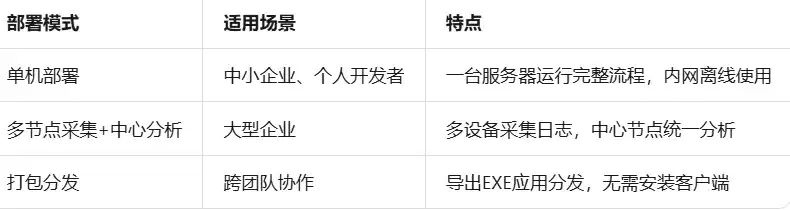 对于使用阿里云生态的用户,建议结合以下产品构建完整方案:阿里云WAF:日志数据源阿里云日志服务(SLS):日志存储与查询阿里云函数计算(FC):轻量级分析任务托管阿里云云服务器ECS:主引擎部署5.2 打包与分发将自动化引擎打包为独立可执行文件,便于在不同服务器上部署:
build.py - 打包脚本示例import PyInstaller.mainimport os
def build_eEXE应用""" PyInstaller.main.run([ 'soc_automation.py', '--onefile', '--name=SOC-AutoGuard', '--icon=shield.ico', '--add-data=config.yaml;.', '--hidden-import=requests', '--hidden-import=schedule', '--clean' ])
print("打包完成: dist/SOC-AutoGuard.exe")
if name == "main": build_executable()打包后的应用支持脚本打包导出EXE,支持打包导出应用EXE支持单独设置api触发、定时执行。更关键的是,打包导出EXE应用支持在线推送更新,无需再次手动分发,只需打开应用就能自动检测更新新版本。这对于安全规则的及时更新尤为重要——新的攻击特征库可以自动推送到所有节点。5.3 授权与安全对于企业内部分发,建议启用授权机制:打包导出应用EXE支持授权验证,确保只有授权人员可执行封禁操作应用支持加密分享、分享授权,控制使用范围不同团队可以基于授权粒度共享自动化工具,既保证协作效率又防止越权操作5.4 钉钉/飞书/企微集成安全事件需要及时通知到值班人员。通过Agent功能,支持在钉钉、飞书、企微、个人微信内控制应用的执行,回调通知响应执行结果:class NotificationAgent: """通知Agent,支持多平台接入"""
def __init__(self, webhook_url: str, platform: str = "dingtalk"):  self.webhook = webhook_url  self.platform = platform

def send_alert(self, threat_info: Dict):  """发送告警通知"""  message = {
"msgtype": "markdown",
"markdown": {  "title": " WAF自动封禁告警",  "text": f"""## 安全事件告警
威胁IP: {threat_info['ip']}威胁类型: {threat_info['reason']}置信度: {threat_info.get('confidence', 'N/A')}封禁时间: {datetime.now().strftime('%Y-%m-%d %H:%M:%S')}
如需解封,请在复核队列中操作。""" } }
    try:
requests.post(self.webhook, json=message, timeout=5)  except Exception as e:
print(f"通知发送失败: {e}")

def send_daily_report(self, stats: Dict):  """发送日报"""  pass
六、扩展场景:视觉颜色操作与消息自动化6.1 突破元素依赖的自动化能力传统的RPA工具在处理复杂界面时,往往受限于DOM元素的可获取性。当目标系统没有开放API、页面结构动态变化、或者需要操作原生客户端时,常规的基于元素定位的自动化方案就会失效。支持视觉颜色操作的能力,让自动化软件无需依赖元素节点,也能实现点击、获取内容等操作。这一特性在以下安全运营场景中尤为实用:企业微信告警通知获取:安全设备通过企业微信发送告警,传统方式需要对接企业微信API(需管理员权限审批),而基于视觉颜色操作可以直接识别消息卡片的颜色特征(红色=紧急、橙色=高危、黄色=中危),自动提取关键信息入库QQ群威胁情报监控:部分安全社群通过QQ群分享威胁情报,通过识别特定颜色标记的消息气泡,自动获取IOC信息千牛/旺旺客服系统:电商安全场景中,通过识别客服界面的异常订单标记颜色,自动触发风控流程6.2 视觉颜色操作的技术实现思路class VisualColorOperator: """视觉颜色操作模块(概念演示)"""
def __init__(self, region=None):  self.region = region  # 屏幕操作区域 (x, y, width, height)

def find_by_color(self, target_color, tolerance=10):  """  在指定区域查找目标颜色  target_color: (R, G, B) 元组  tolerance: 颜色容差  """  # 实际实现需结合截图和图像处理库(如PIL/OpenCV)  # 返回匹配区域的中心坐标列表  pass

def click_by_color(self, target_color, index=0):  """点击指定颜色的第N个匹配区域"""  coords = self.find_by_color(target_color)  if coords and len(coords) > index:
x, y = coords[index]
# 执行点击操作
pass

def read_text_by_color_region(self, bg_color, text_color=None):  """  读取特定背景色区域内的文字  例如:读取红色告警卡片中的IP地址  """  # 结合OCR识别该区域文字  pass
6.3 安全运营中的消息自动化实战将视觉颜色操作与消息获取结合,可以构建轻量级的安全情报收集系统: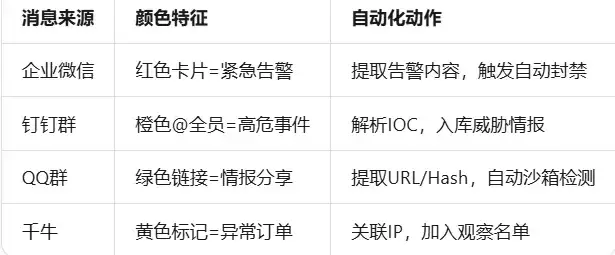 这一能力让流程自动化不再局限于Web页面和API接口,而是扩展到任何有视觉反馈的客户端软件。对于个人开发者和个人工作室而言,这意味着可以用更低的成本对接企业内部已有的通讯工具,无需等待IT部门开放接口权限。七、效果评估与持续优化7.1 核心指标监控建议建立以下KPI体系:
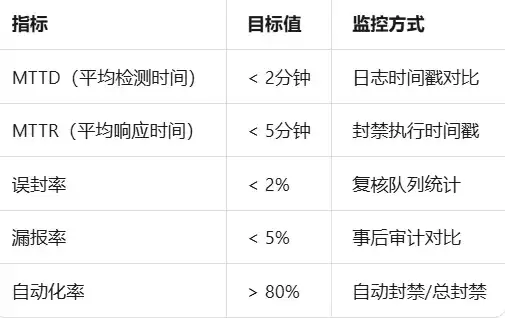 7.2 规则调优策略自动化系统上线后,需要持续调优:阈值动态调整:根据业务流量基线,使用AI智能优化元素路径,自动调整高频阈值。AI智能优化元素路径,无需学习复杂的定位语法,通过自然语言描述即可生成对应规则规则库更新:定期同步最新攻击特征,web元素失效时,AI自动修复元素定位,实现元素自愈,保障流程不中断误报反馈闭环:将被驳回的复核案例反哺模型,持续优化检测准确率7.3 与现有安全体系集成该方案不应孤立运行,建议与以下系统联动:SIEM:将分析结果推送至安全信息与事件管理平台SOAR:对接编排自动化响应平台,实现更复杂的响应剧本威胁情报平台:IP信誉查询,提升研判准确率CMDB:关联资产信息,区分核心业务与非核心业务的不同处置策略八、展望8.1 方案价值回顾本文从实际安全运营痛点出发,完整呈现了一套WAF日志自动分析与封禁的技术方案:全链路覆盖:从日志采集、解析、分析到封禁执行,形成闭环多层检测:规则引擎快速过滤 + AI智能研判深度分析人机协同:高置信度自动处置,中置信度人工复核灵活部署:支持单机、分布式、离线多种部署模式视觉扩展:通过颜色操作突破元素依赖,覆盖更多客户端场景8.2 适用场景这套方案特别适合以下群体:个人开发者:快速搭建自己的安全运营环境,免费版使用无使用时长限制,无运行时长、无流程数量限制个人工作室:轻量级安全服务交付,多设备使用无需多开会员中小企业:无需组建专职安全团队,支持打包EXE发给别人不用装客户端,降低部署门槛8.3 未来演进方向Agent化升级:引入智能指令,使用最新的模型支持更复杂的决策逻辑浏览器自动化联动:已支持对接紫鸟浏览器、比特浏览器、hubstudio浏览器、adspowser浏览器等市面上众多指纹浏览器,实现自动化操作,扩展至Web应用安全测试场景视觉能力深化:将支持视觉颜色操作的能力与OCR、图像识别结合,实现更智能的客户端自动化多源融合:不仅分析WAF日志,同时接入主机日志、流量镜像,构建更全面的威胁视图完整代码仓库结构soc-automation/├── core/│ ├── parser.py # 日志解析模块│ ├── analyzer.py # 威胁分析引擎│ ├── executor.py # 封禁执行器│ ├── ai_judgment.py # AI智能研判│ └── engine.py # 主调度引擎├── sources/│ ├── aliyun_waf.py # 阿里云WAF适配│ ├── tencent_waf.py # 腾讯云WAF适配│ └── file_source.py # 文件日志适配├── visual/│ └── color_operator.py # 视觉颜色操作模块├── ui/│ └── monitor.py # 监控面板├── config.yaml # 配置文件├── requirements.txt # 依赖清单├── build.py # 打包脚本└── main.py # 入口程序安全运营的本质是在正确的时间做正确的响应。流程自动化技术不是替代安全人员的思考,而是将重复性、模式化的工作交给RPA工具,让人专注于更需要创造力的威胁狩猎和策略设计。对于个人开发者、个人工作室和中小企业而言,选择一款免费版使用无使用时长限制、数据不出本地、支持打包EXE发给别人不用装客户端、同时支持视觉颜色操作无需依赖元素节点的自动化软件,是降低安全运营门槛的最优路径。